

Biberschwanz Fairy Shrimp / Beavertail Fairy Shrimp with approx. 50 to 100 eggs.
Beavertail Fairy Shrimp – Fascinating Prehistoric Creatures to Breed Yourself
The Beavertail Fairy Shrimp (Thamnocephalus platyurus) are among the most fascinating prehistoric crustaceans of all. These elegant, transparent crustaceans literally float through the water, and with their fan-like abdomen, they resemble a small beaver's tail – hence their name. With their graceful movement and peaceful nature, they are a real highlight for any breeding tank or aquarium.
Characteristics of Beavertail Fairy Shrimp
- Scientific Name: Thamnocephalus platyurus
- Lifespan: approx. 4–8 weeks
- Optimal Water Temperature: 20–26 °C
- Special Feature: floating, delicate swimming motion
- Behavior: peaceful, ideal for observation
Keeping & Breeding
Breeding fairy shrimp is uncomplicated and excellently suited for beginners in the world of prehistoric crustaceans. Simply place the fairy shrimp eggs into a tank filled with distilled or rainwater and place it in a bright, warm spot. Within a few days, tiny nauplii will hatch, which will quickly develop into active swimmers.
Watch video: Beavertail Fairy Shrimp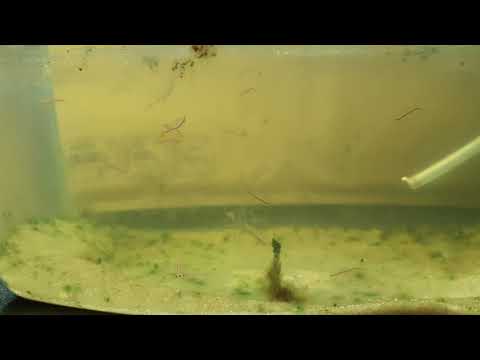
Feed with special fairy shrimp food or finely ground dust food. A gentle water change ensures stable conditions. This way, you can experience the entire life cycle of these fascinating animals up close.
✨ Why Beavertail Fairy Shrimp?
- Rare species with a particularly elegant appearance
- Unique swimming style – almost weightless in water
- Perfect for children, schools, or scientific projects
- Easy to breed and ideal for observation
Order Beavertail Fairy Shrimp now
Experience the magic of prehistoric creatures: With our Beavertail Fairy Shrimp eggs, you bring a piece of Earth's history directly into your home. Ideal as a gift, learning project, or simply for relaxation while observing these gentle aquatic inhabitants.
You will receive an egg-sand mixture with approximately 50 to 100 eggs and some spirulina powder for the first few days.
Please always start in a small tank with one to two liters. Later, transfer to a larger tank.